Dog Training Log: A Practical Tool for Tracking Progress and Enhancing Results
For dog owners, trainers, and enthusiasts, maintaining a consistent training routine is essential for success. A Dog Training Log offers a structured way to document progress, identify patterns, and refine techniques. Whether you're working with a new puppy or helping an older dog develop better behavior, a well-organized log can make a significant difference in your approach and outcomes.
This article explores how a Dog Training Log fits into broader workflows, from planning sessions to long-term development. It also provides insights on integrating this tool into daily routines, ensuring it complements other resources and methods effectively.
Understanding the Role of a Dog Training Log
A Dog Training Log serves as a central record for tracking a dog's learning journey. It helps users monitor milestones, note behavioral changes, and assess the effectiveness of different training strategies. By maintaining detailed entries, trainers can revisit past sessions, adjust methods, and ensure consistency over time.
This log is particularly useful in scenarios where multiple people are involved, such as when a trainer works with a pet owner or when a professional trainer manages several clients. It allows for clear communication and accountability, making it easier to align efforts and maintain progress.
Whether used before, during, or after a training project, a Dog Training Log supports a more organized and data-driven approach. It encourages reflection, fosters better decision-making, and promotes long-term success.
Integrating a Dog Training Log into Your Workflow
One of the key benefits of a Dog Training Log is its flexibility. It can be incorporated at various stages of the training process, depending on the user's needs and goals. For example:
- Before training: Use the log to set objectives, outline planned exercises, and gather relevant information about the dog’s background.
- During training: Record daily sessions, note reactions, and track improvements to stay on top of progress.
- After training: Review entries to evaluate what worked, identify areas for improvement, and plan future steps.
By integrating the log into these phases, users can create a more systematic and efficient training environment. It also helps in identifying trends that might not be immediately apparent through casual observation.
How a Dog Training Log Complements Other Tools and Methods
A Dog Training Log doesn’t exist in isolation. It works best when combined with other resources, such as training manuals, video tutorials, and expert advice. For instance, a trainer might reference a specific technique from a book while using the log to track how the dog responds to it.
Additionally, the log can serve as a companion to digital tools like mobile apps or online platforms designed for pet training. While those tools may offer reminders or progress tracking, the log provides a more personalized and detailed account of each session.
It also supports collaboration. If multiple people are involved in a dog’s training—such as a family member, a professional trainer, or a behaviorist—the log ensures everyone has access to the same information, reducing confusion and improving coordination.
Practical Tips for Using a Dog Training Log
To get the most out of a Dog Training Log, consider the following tips:
- Be consistent: Make it a habit to update the log after every training session. Even brief notes can add up to valuable insights over time.
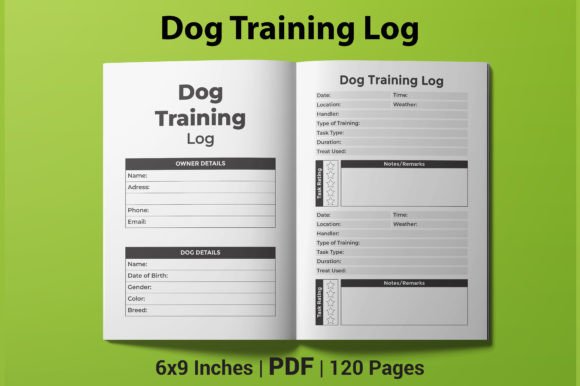
- Use clear categories: Organize entries by date, session type, and specific behaviors or commands being worked on. This makes it easier to reference later.
- Include observations: Note how the dog reacts to different stimuli, what works well, and what might need adjustment. These details can help refine future sessions.
- Review regularly: Set aside time to go through past entries. This helps identify patterns and measure long-term progress.
These practices ensure that the log remains a useful and actionable resource rather than just a collection of notes.
Choosing the Right Format for Your Needs
When selecting a Dog Training Log, consider the format that best suits your workflow. Options include physical notebooks, digital templates, or downloadable PDFs. For those looking to upload directly to Amazon KDP, a ready-to-use PDF file is often the most convenient choice.
The log should be designed with usability in mind. Features such as pre-printed sections, space for notes, and clear headings can enhance the user experience. For professionals or content creators, having a log that is print-ready and compatible with various design software ensures flexibility and quality.
Some logs come with additional elements, such as bleed-free layouts, high-resolution interiors, and multiple file formats (PDF, AI, EPS, JPG). These options allow for customization and seamless integration into existing projects or products.
Preparing for Long-Term Use
A Dog Training Log is most effective when used consistently over time. To support long-term use, ensure that the log is easy to maintain and accessible. This includes keeping it in a designated place, updating it regularly, and revisiting it as needed.
Users should also consider the durability of the log. For physical copies, choosing a high-quality notebook or binder can prevent damage and ensure longevity. For digital versions, backing up files and organizing them in a logical structure can prevent loss or disorganization.
Additionally, staying open to adjustments is important. As training progresses, users may find that certain sections or features of the log become more or less useful. Being willing to adapt the log to fit evolving needs enhances its value over time.
Conclusion
A Dog Training Log is more than just a record-keeping tool—it's a practical asset that supports structured learning, improves communication, and enhances outcomes. Whether used by pet owners, trainers, or professionals, it plays a vital role in creating a more informed and effective training process.
By understanding how to integrate this tool into daily routines, users can unlock its full potential. With the right format, organization, and mindset, a Dog Training Log becomes an essential part of any successful training journey.