Arabic Alphabet KDP Kids Tracing: A Practical Tool for Early Learning and Creative Workflows
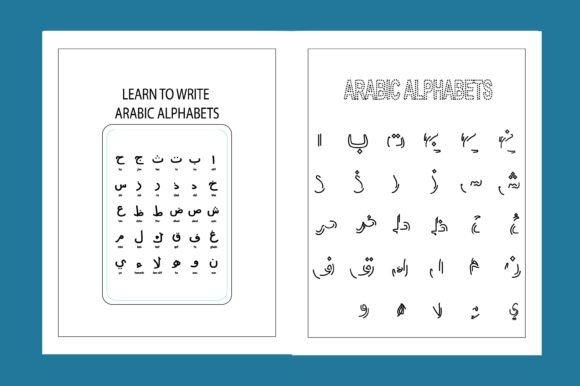
The Arabic Alphabet KDP Kids Tracing is a valuable resource for parents, educators, and creators looking to support early language development in children. Designed with clarity and usability in mind, this tracing tool offers a structured approach to learning the Arabic script, making it an essential component of any educational or creative workflow involving young learners.
Understanding the Role of Arabic Alphabet KDP Kids Tracing
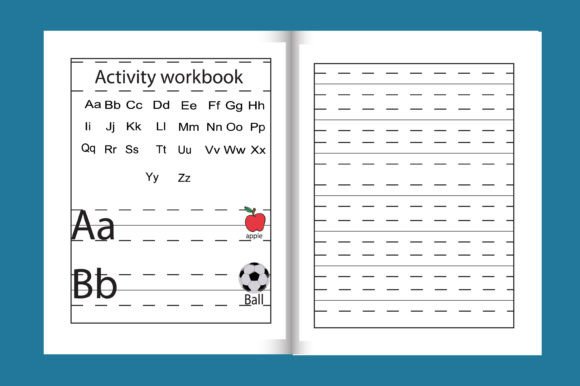
Arabic Alphabet KDP Kids Tracing serves as a foundational element in the process of teaching children the Arabic alphabet. It provides a visual and tactile method for practicing letter formation, which is critical for developing handwriting skills and phonetic recognition. This tool fits naturally into broader educational strategies, whether used in a classroom setting, at home, or as part of a digital learning platform.
Its integration into learning workflows can occur at multiple stages. Before starting a lesson, educators might use the tracing sheets to introduce new letters. During the learning process, students can practice under supervision, and after completing a session, the sheets can be reviewed for progress tracking. This flexibility makes it a versatile asset for both structured and informal learning environments.
How to Use Arabic Alphabet KDP Kids Tracing in Different Scenarios
For educators, the Arabic Alphabet KDP Kids Tracing can be incorporated into daily lesson plans as a hands-on activity. Teachers can print the PDFs and distribute them to students, allowing them to trace letters while discussing their sounds and shapes. This method supports kinesthetic learning, which is particularly effective for young children who benefit from active engagement.
Parents can also use the tracing sheets as a fun and educational activity during quiet time or before bedtime. By setting aside a few minutes each day for tracing exercises, children can gradually build confidence in recognizing and writing Arabic letters. This routine not only reinforces learning but also fosters a positive association with reading and writing.
For content creators and publishers, the Arabic Alphabet KDP Kids Tracing can be a useful supplement to digital learning materials. By including these tracing sheets in e-books or online courses, creators can enhance the user experience and provide additional value to their audience. This approach aligns with the growing demand for interactive and multi-sensory learning tools.
Integration with Other Tools and Resources
The Arabic Alphabet KDP Kids Tracing works well alongside other educational resources such as flashcards, audio recordings, and interactive apps. When combined with these tools, the tracing sheets create a comprehensive learning package that addresses different aspects of language acquisition. For example, after using flashcards to memorize letter shapes, children can reinforce their knowledge by tracing the same letters on the worksheets.
Additionally, the tracing sheets can be used in conjunction with digital platforms that offer guided learning experiences. Educators and parents can pair the physical worksheets with online tutorials or video lessons, creating a blended learning environment that caters to various learning styles. This integration ensures that children receive consistent and varied exposure to the Arabic alphabet.
Practical Implementation Tips
To maximize the effectiveness of the Arabic Alphabet KDP Kids Tracing, consider the following implementation tips:
- Print Quality: Ensure that the PDFs are printed at 300 ppi in CMYK color to maintain clarity and vibrancy. High-quality prints make the tracing experience more engaging for children.
- File Format: Use the provided PDF, EPS, and JPG formats to suit different needs. PDFs are ideal for printing, while EPS and JPG files can be used for digital presentations or online sharing.
- Organization: Keep the tracing sheets organized by letter or theme. This helps children locate specific pages quickly and maintains a sense of structure in their learning routine.
- Consistency: Encourage regular practice by setting aside dedicated time for tracing activities. Consistency is key to building strong foundational skills in reading and writing.
Workflow Examples and Observations
A typical workflow for using the Arabic Alphabet KDP Kids Tracing might look like this:
- Preparation: Print the desired number of tracing sheets and gather necessary supplies such as pencils or markers.
- Introduction: Introduce the new letter or set of letters, explaining their shapes and sounds.
- Practice: Allow children to trace the letters under supervision, offering guidance and encouragement as needed.
- Review: After the activity, review the traced letters to assess understanding and provide feedback.
Observing how children interact with the tracing sheets can provide valuable insights into their learning progress. Some may need more repetition, while others may grasp concepts quickly. Adjusting the frequency and difficulty of the tracing exercises based on individual needs ensures that each child receives the support they require.
Long-Term Use and Maintenance
The Arabic Alphabet KDP Kids Tracing is designed for long-term use, making it a cost-effective solution for families and educators. By maintaining a collection of tracing sheets, users can track progress over time and revisit earlier lessons as needed. This continuity supports the development of a strong foundation in the Arabic language.
To ensure longevity, store the printed sheets in a dry, cool place away from direct sunlight. Using protective sleeves or folders can help preserve the quality of the pages and prevent damage. Regularly updating the tracing sheets with new letters or themes keeps the learning experience fresh and engaging.
Conclusion: Enhancing Learning Through Practical Tools
The Arabic Alphabet KDP Kids Tracing is more than just a worksheet—it's a practical tool that enhances the learning process for young children. Its versatility, ease of use, and high-quality design make it an excellent addition to any educational or creative workflow. Whether used in a classroom, at home, or as part of a digital learning platform, this tracing tool supports the development of essential literacy skills in a fun and effective way.