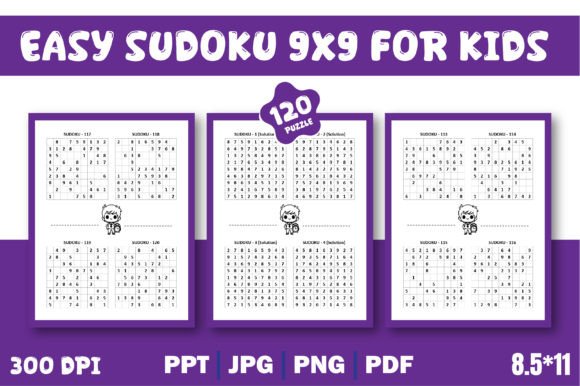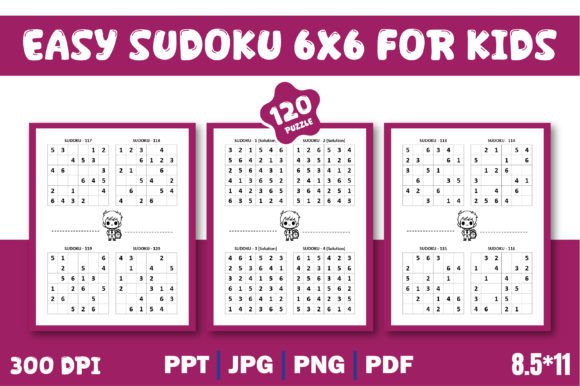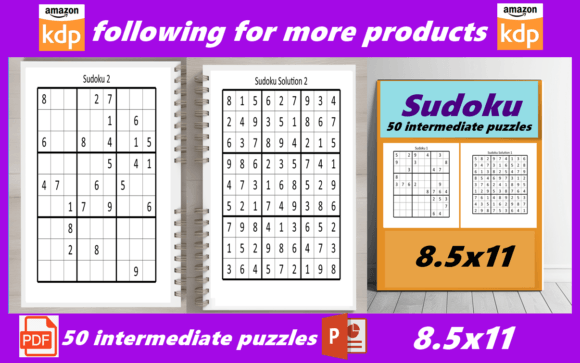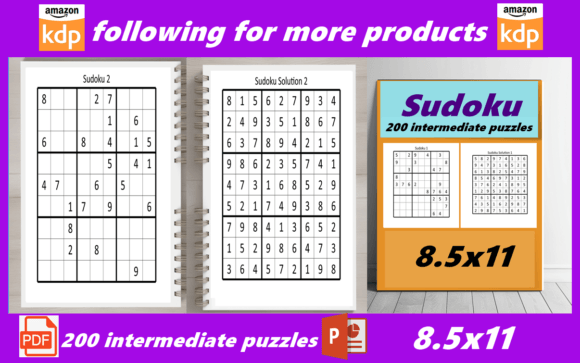
Easy to Hard Sudoku for All Ages
Sudoku is more than just a number puzzle—it's a versatile tool that challenges the mind, improves focus, and offers entertainment for all ages. "Easy to Hard Sudoku for All Ages" is a collection designed to grow with its users, offering a range of difficulty levels that cater to beginners and seasoned solvers alike. Whether you're looking for a daily mental workout or a fun activity to share with family, this set provides a structured yet flexible approach to puzzle-solving.
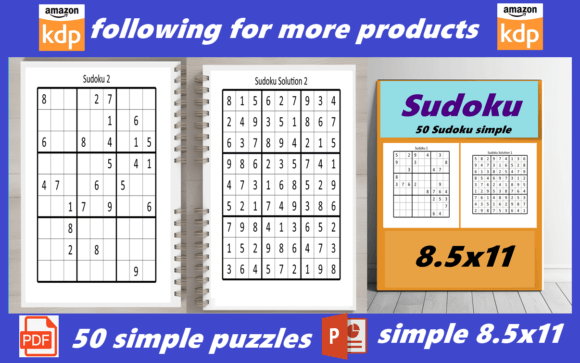
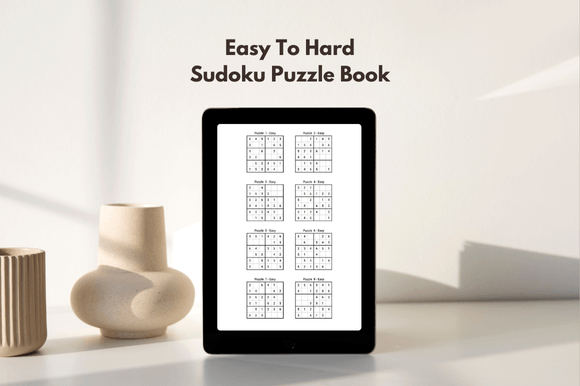
The 8.5 x 11 bleed format ensures that each puzzle is clear, easy to read, and perfect for printing at home or in a classroom. With solutions included, it's an ideal resource for educators, parents, and hobbyists who want to encourage logical thinking and problem-solving skills in a low-pressure environment.
Why Sudoku Works for Everyone
Sudoku's appeal lies in its simplicity and adaptability. The rules are straightforward: fill a 9x9 grid so that each row, column, and 3x3 box contains the numbers 1 through 9 without repetition. This structure makes it accessible to anyone, regardless of age or background. "Easy to Hard Sudoku for All Ages" takes advantage of this by offering puzzles that gradually increase in complexity, helping users build confidence and mastery over time.
For children, these puzzles can be a gentle introduction to critical thinking and pattern recognition. For adults, they serve as a relaxing way to sharpen cognitive abilities and reduce stress. And for seniors, they provide mental stimulation that may help maintain brain health. The variety of difficulty levels means there's always something new to learn and explore.
Creative Uses Beyond the Puzzle
Beyond the traditional paper-and-pencil format, "Easy to Hard Sudoku for All Ages" opens up a world of creative possibilities. Educators can use the puzzles as part of lesson plans, integrating them into math, logic, or even art classes. By turning Sudoku into a group activity, teachers can foster collaboration and friendly competition among students.
Designers and marketers might find inspiration in the layout and structure of the puzzles. The clean, organized format of the 8.5 x 11 bleed pages could influence how information is presented in other projects—whether it's infographics, worksheets, or interactive digital content. The consistent design also makes it easy to repurpose the material for different platforms, such as blogs, social media, or e-books.
Adapting Sudoku for Different Goals
One of the greatest strengths of "Easy to Hard Sudoku for All Ages" is its flexibility. Users can tailor the experience to suit their specific goals. For example:
- Learning and Development: Parents can use the puzzles to teach children about numbers, patterns, and perseverance. The gradual increase in difficulty helps build resilience and a growth mindset.
- Entertainment and Relaxation: Adults can enjoy the puzzles as a form of mental downtime, using them to unwind after a long day or during travel. The satisfaction of completing a challenging puzzle can be deeply rewarding.
- Community Building: Group settings, such as clubs, workshops, or family gatherings, can benefit from shared puzzle sessions. These activities promote social interaction and create a sense of accomplishment when a puzzle is solved together.
Practical Tips for Maximizing Value
To get the most out of "Easy to Hard Sudoku for All Ages," consider these practical strategies:
- Set a Routine: Dedicate a specific time each day to solve a puzzle. Consistency helps build habits and keeps the mind engaged.
- Track Progress: Keep a record of completed puzzles to see improvement over time. This can be motivating and informative.
- Experiment with Formats: Try solving puzzles on paper, digitally, or even with colored markers to make the process more engaging.
- Share and Collaborate: Encourage others to join in. Solving puzzles in groups can lead to new insights and stronger connections.
Enhancing the Experience with Additional Tools
While "Easy to Hard Sudoku for All Ages" provides a solid foundation, adding supplementary tools can enhance the experience. For instance, using a timer to challenge oneself to complete a puzzle faster can add an element of excitement. Alternatively, incorporating a journal to note strategies and reflections can deepen the learning process.
For those interested in digital integration, apps and online platforms offer interactive versions of the puzzles. These can be especially useful for users who prefer a more dynamic and customizable experience. However, the physical format of the 8.5 x 11 bleed pages remains valuable for those who appreciate the tactile nature of traditional puzzles.
Conclusion: A Puzzle for Every Mind
"Easy to Hard Sudoku for All Ages" is more than just a collection of puzzles—it's a resource that supports learning, creativity, and connection. Its thoughtful design and progressive difficulty make it suitable for a wide range of users, from young learners to experienced solvers. Whether used for education, entertainment, or personal growth, this set offers a meaningful way to engage with logic and problem-solving.
By embracing the versatility of Sudoku, users can unlock new ways to think, create, and collaborate. With the right approach, these puzzles can become a valuable part of daily life, offering both challenge and joy in equal measure.